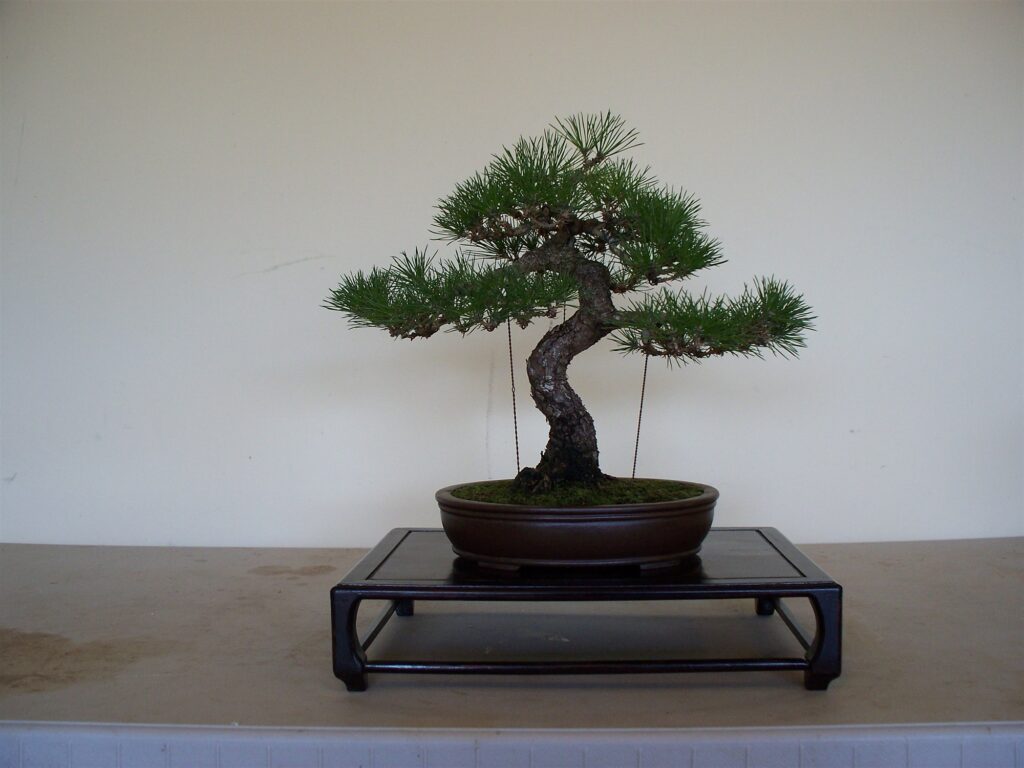
Tree 42: From Workshop Tree to the Display Stand
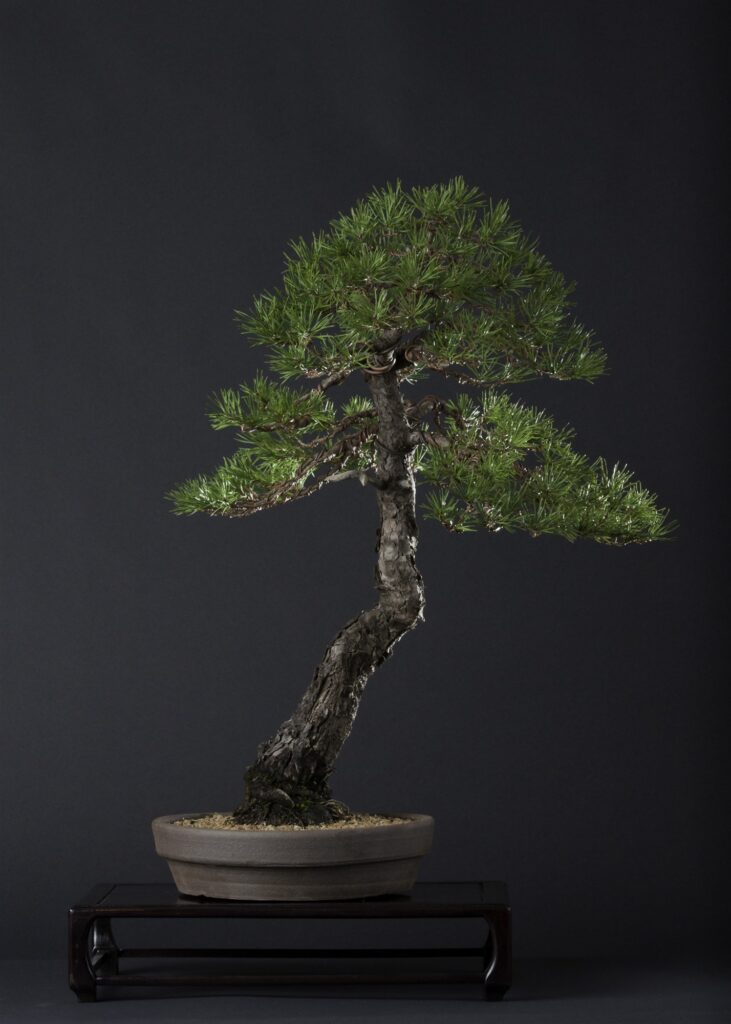
I took a vigorous Japanese black pine from a workshop, tilted its pot to find a new angle, repotted it half bare-root, decandled it, wired it, and watched…

Matsu Bonsai · Louisville, Kentucky
Honoring the art of bonsai through mindful cultivation, inspired design, and shared wisdom. Whether you’re a beginner or a show artist, we’re here to guide your journey.
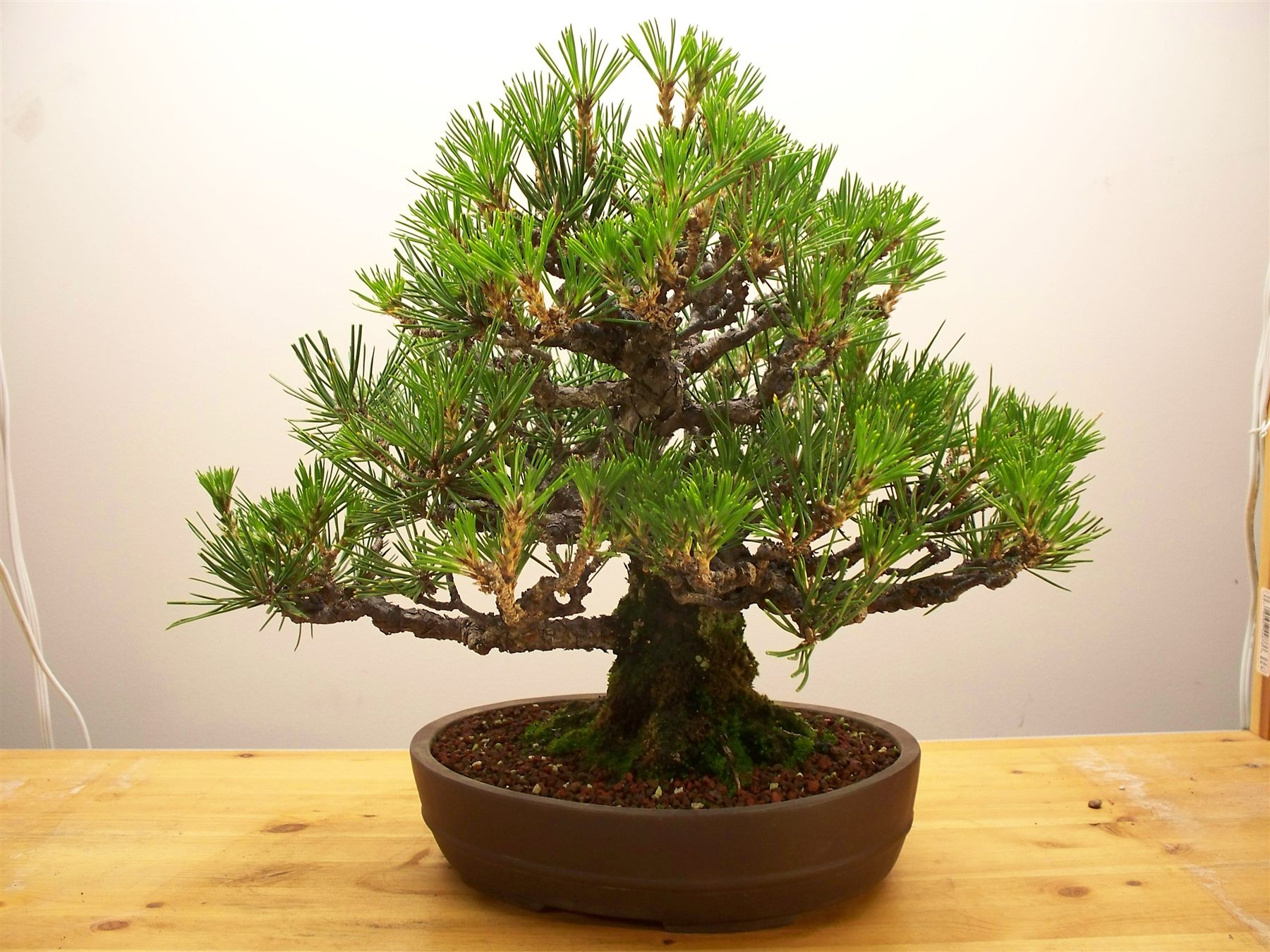
This season at the bench · Japanese black pine
Calibrated for USDA Zones 6–7. If your spring comes earlier or later, shift the whole calendar with it.
Signal
Scion dormant; stock’s buds swelling, before candles extend
Zone 6–7 check
Late winter into early spring
Signal
Bud swell
Zone 6–7 check
Late February to early March
Signal
A gradual transition as buds swell
Zone 6–7 check
Around bud swell
Signal
New growth beginning
Zone 6–7 check
With the first feeding
Signal
The tree is running; 4–8 weeks after a repot
Zone 6–7 check
From mid-March, every 2–4 weeks
Signal
Candles and needles still soft
Zone 6–7 check
All spring
Signal
30 days before the planned cut
Zone 6–7 check
About mid-May
Signal
New needles at roughly half the length of last year’s
Zone 6–7 check
Mid-June to early July
Signal
Only if the tree will be shown; decided at this cut
Zone 6–7 check
Same session
Signal
Buds visible at the cut
Zone 6–7 check
6–8 weeks after the cut
Signal
Second flush hardened
Zone 6–7 check
Late summer
Signal
Growth hardened, candles set
Zone 6–7 check
Late summer, through dormancy
Signal
Needle cast infection window; spray around rain
Zone 6–7 check
Late summer and autumn
Signal
Second flush hardened
Zone 6–7 check
Before the show
Signal
Before dormancy
Zone 6–7 check
Through autumn
Signal
Fertilizer debris and overwintering pests to clear
Zone 6–7 check
Late autumn or early winter
Signal
Fully dormant, after a run of hard frosts
Zone 6–7 check
I protect around 28°F
Signal
Dormant
Zone 6–7 check
Through dormancy
Signal
Soil dry; closed structure heating in sun
Zone 6–7 check
Through winter
I took a vigorous Japanese black pine from a workshop, tilted its pot to find a new angle, repotted it half bare-root, decandled it, wired it, and watched…
I bought this Scots pine from Tommy McCurry as rough stock. Akio Kondo set its bones, Peter Tea and I refined it, and after the ABS/BCI convention it…
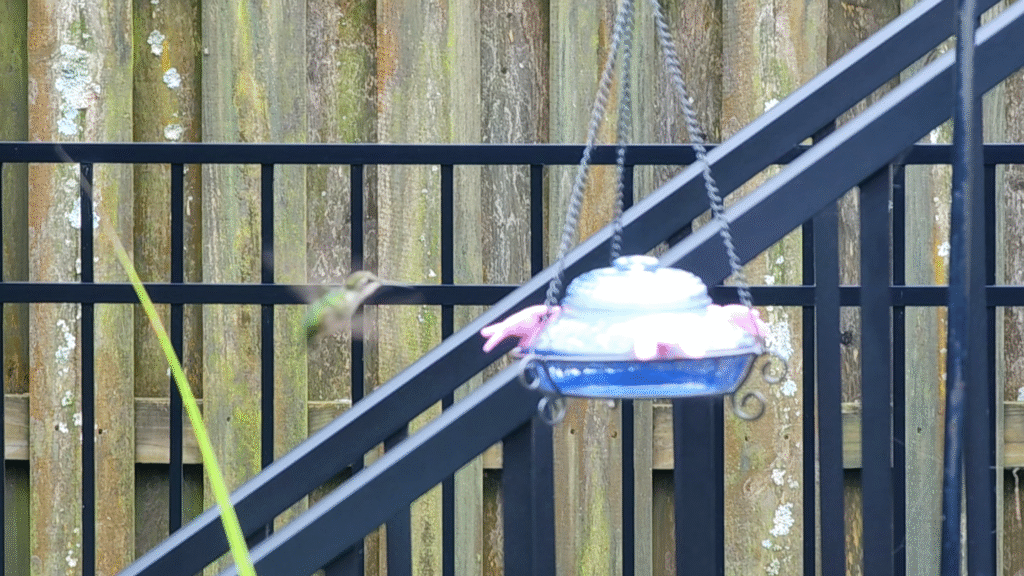
The bonsai garden has had some new visitors lately—hummingbirds! I’d seen them around the neighborhood before, but never this close, never this often. I knew they were fast,…
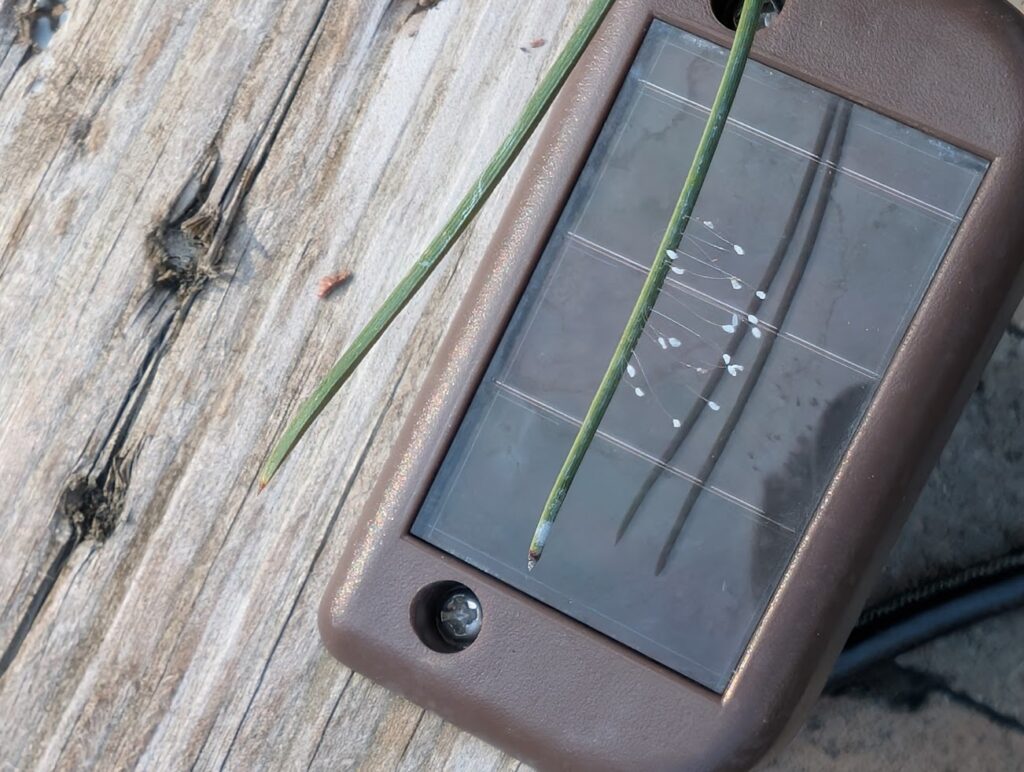
It’s easy to overlook the quiet heroes in our bonsai gardens—the tiny allies who hunt silently among the foliage, keeping pest populations in check. One of the most…
Most bonsai pests don’t lay their intentions out in the open. Spider mites hide under foliage. Root aphids go unseen until it’s too late. Scale insects wear armor.…
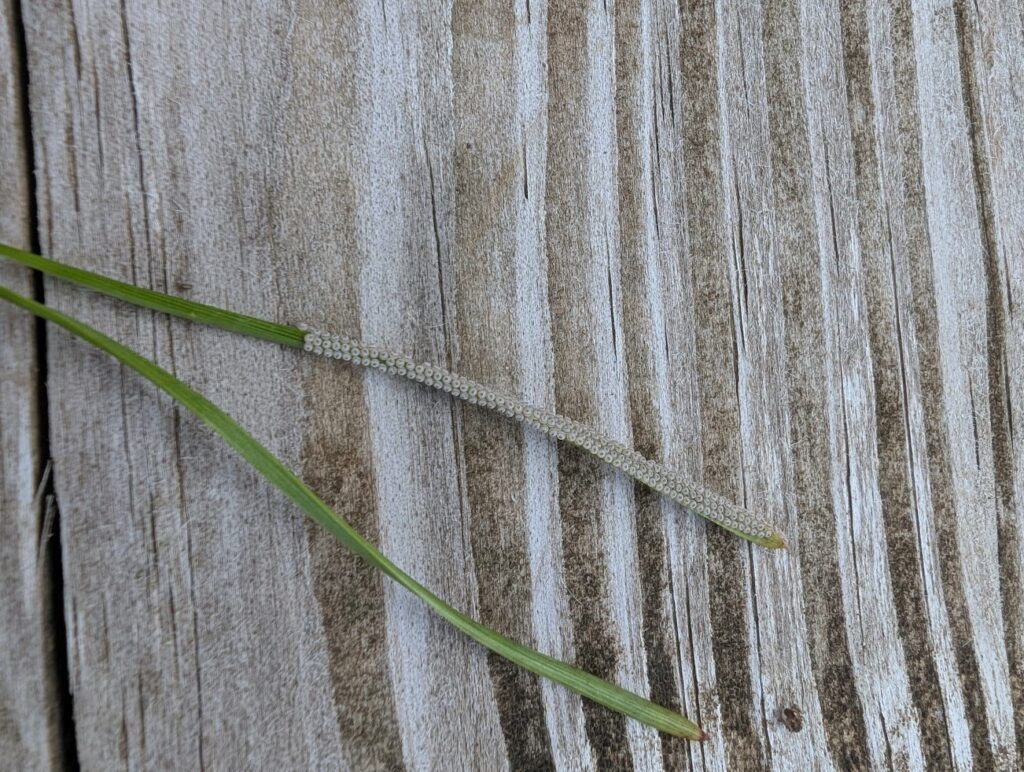
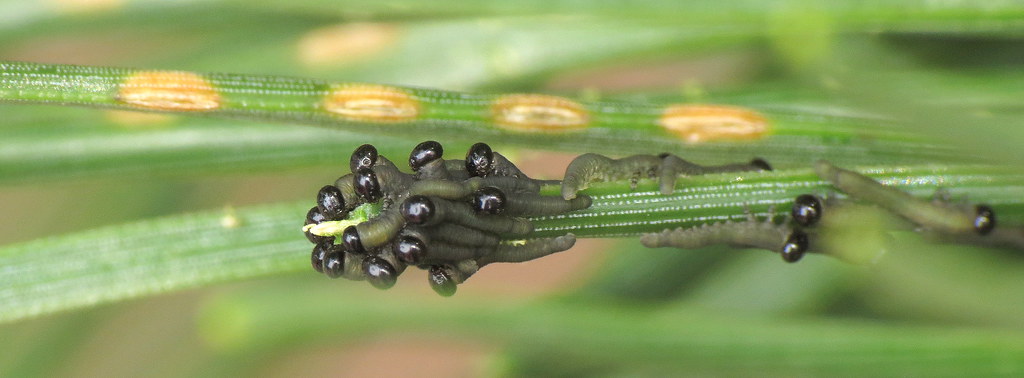
If you work with pines long enough, eventually you’ll run into these tiny troublemakers. It starts with a pine needle that looks… off. A little row of bumps,…
Our mission
At Matsu Bonsai, our mission is to honor the timeless tradition of bonsai through thoughtful cultivation, education, and design.
From jitas to hand-built stands, our pieces are made to elevate your trees and your practice. Rooted in tradition, built to last.
We grow and offer quality pre-bonsai stock: pine, juniper, and maple, each selected for its potential and beauty. Start strong, shape well.
From accent plants to wearable art, we celebrate bonsai in all its forms, with ways to share the tradition and stay connected.
Our roots
Each tree, each stand, each display tells a story of time and tradition.
New articles and a short note when the season turns. No spam, and you can unsubscribe anytime.