 Skip to content

Sooner or later a tool listing will give you a number like 58 HRC and expect you to know what it means. Most people skip it and look at the price. The number is worth thirty seconds of your time, because it tells you how a tool will behave on your trees and how long its edge will last.
What the number measures
HRC is hardness on the Rockwell C scale. The test is simple: a machine presses a small diamond cone into the steel under a set load and measures how deep it goes. A shallow dent means hard steel and a high number. A deeper dent means softer steel and a lower one.
Because the test is standardized, a number from one maker can be compared with a number from another. The catch is that it has to have been measured on the finished tool. A listing that gives the typical hardness for a steel is telling you what the steel can reach after a good heat treatment, not what came out of the furnace in your tool.
Where bonsai tools fall
Roughly, bonsai tools come in three bands:
– Low 50s. Common stainless steels such as the 420 family. Tough, rust-resistant, and easy to sharpen, but the edge wears sooner. – Mid to high 50s. Harder stainless steels, and better heat treatments of the softer ones. – Around 60. 440C stainless and the high-carbon steels used for many traditional tools. These hold an edge much longer.
A few points on the scale is a bigger difference than it looks. A cutter in the low 50s and one near 60 can be the same shape and feel the same in your hand, and the harder one will still be cutting cleanly long after the softer one has started to crush.
Harder isn’t always better
Hardness comes at a price: hard steel is more brittle. A hard edge resists wear and keeps its shape, but it chips if you twist it or ask it to cut something it wasn’t made for. That’s why you never cut wire with a concave cutter, and why you close a branch cutter straight through the wood rather than levering it from side to side. A softer edge would bend and roll instead of chipping. That’s no better for the cut, but it’s easier to repair.
So the right hardness depends on the job:
– Cutting edges (concave and knob cutters, shears, scissors) benefit from hardness. They do their work with a fine edge, and a harder edge stays fine longer. – Wire cutters are built for wire, which is why they’re a separate tool. Use them for wire and nothing else, and keep your branch cutters away from it. – Tools with no edge (tweezers, root rakes, jin pliers) need spring and toughness, not hardness. Extra hardness adds nothing to a tool that grips or rakes, and makes it more likely to snap.
Hardness is one number among several
A high HRC on a badly made tool is still a badly made tool. Before the number matters, the basics have to be right:
– The jaws meet. Close a cutter and hold it up to the light. If you can see a gap, it will crush the last fibers of a branch instead of cutting them, and the wound heals worse. – The heat treatment is even. A blade that is hard in one spot and soft in another wears unevenly. You can’t see this, which is one reason to buy from someone who will tell you how the tools are made. – The edge geometry suits the cut. A concave cutter’s job is to leave a slightly hollow wound that closes flat. If the blade shape is wrong, hardness won’t save it.
Sharpening hard steel
Harder steel takes longer to sharpen, because it resists the stone the same way it resists the branch. I use diamond whetstones, with auto glass cleaner instead of water to keep them clean as I work. Diamond cuts hard steel well and the stones stay flat, which matters on a small, precise edge.
Sharpening is easier to learn by watching than by reading, and woodworkers have taught it better than anyone. Their videos are about chisels and plane irons, but the same rules apply to a bonsai tool’s edge: a flat stone, a steady angle, and working from coarse to fine.
– Paul Sellers, Preparing and sharpening a woodworking chisel, on diamond plates. – Jonathan Katz-Moses, Scary Sharp: The Cheapest Way to Get a Perfect Razor Sharp Edge, the “scary sharp” method: wet-or-dry sandpaper on a flat surface, an inexpensive way to start before you buy stones.
Stainless or carbon
Most high-carbon tool steels can be made very hard, and they take a keen edge. They also rust if you put them away wet, and sap left on a carbon blade will mark it. Stainless gives up a little hardness for not caring about the weather. I prefer stainless: it doesn’t rust and corrode as easily, and tools that live in a garden get wet. That’s a choice about care, not quality. A well-made carbon tool that’s cleaned and oiled will outlast a neglected stainless one.
What to ask before you buy
When a tool’s listing gives you a hardness number, or doesn’t, three questions sort out most of it:
1. What steel is it? “Stainless” alone tells you little. Which grade? 2. What hardness, and was it measured on the finished tool? A typical figure for the steel isn’t the same thing. 3. Is the whole tool that hard, or just the blade? Some makers harden only the cutting edge, which is reasonable, but you should know.
A maker who can answer all three is a maker who has thought about it. Next time you look at a tool, read the steel line before the price.
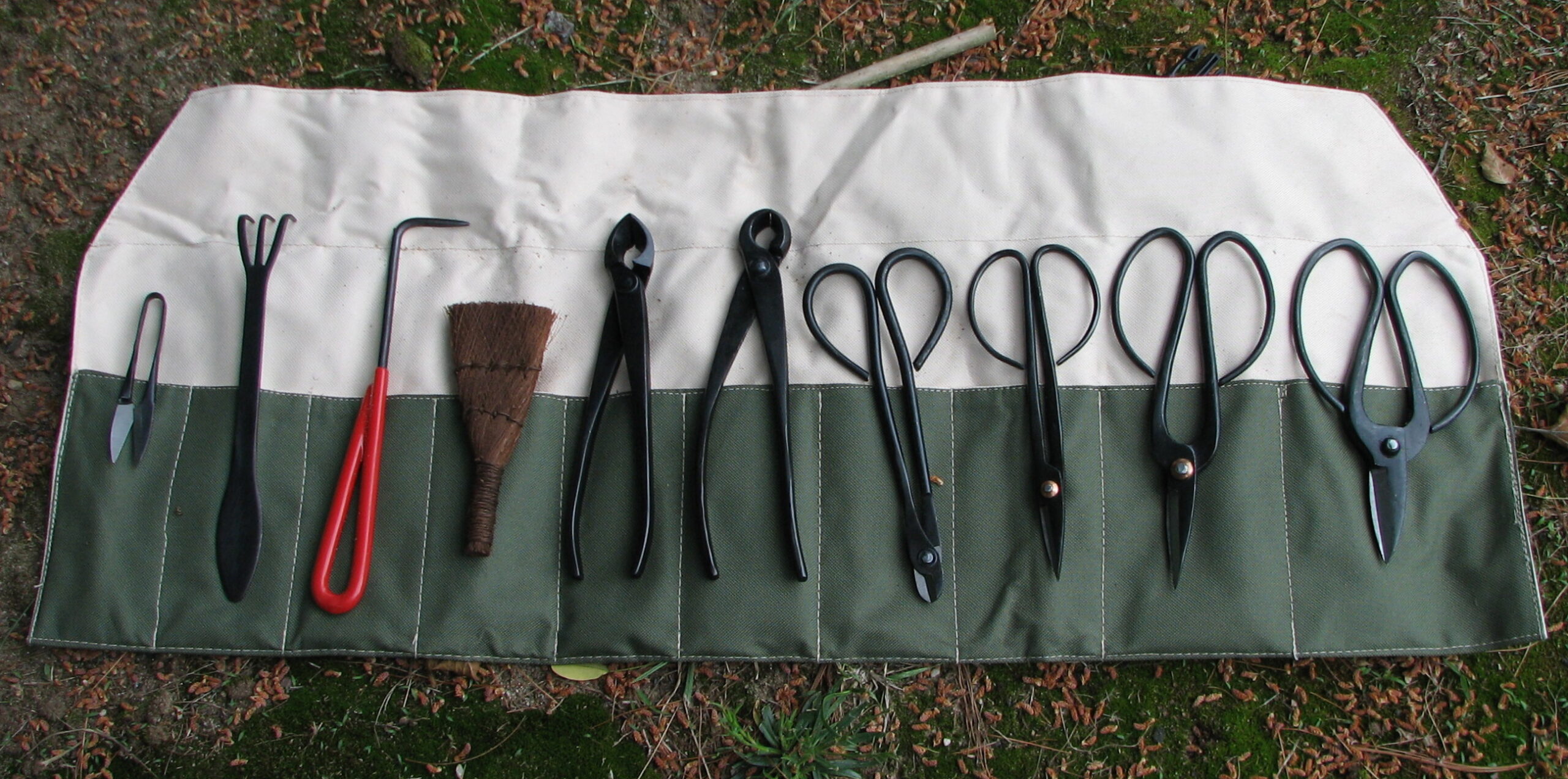
Header photo: Ragesoss, CC BY-SA 3.0, via Wikimedia Commons.




Leave a Reply